
Green Homes & Sustainability Trends in Massachusetts Housing
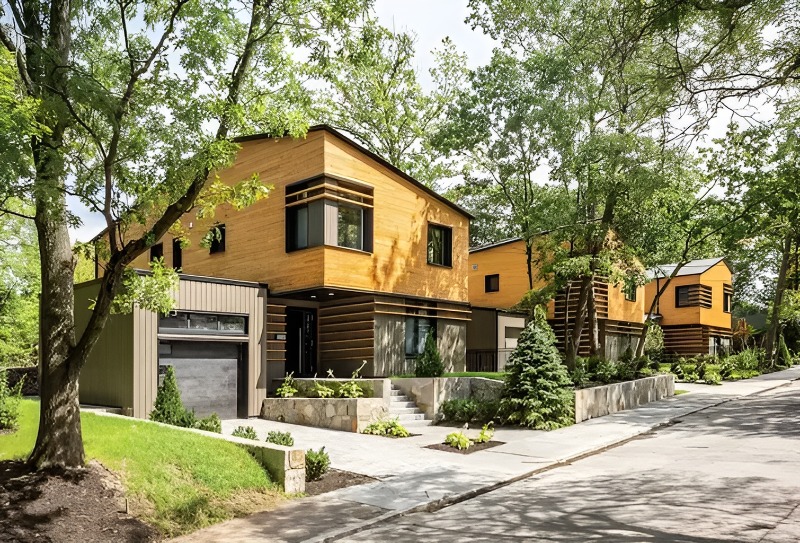
Sustainability is no longer just a buzzword—it’s a core demand in the Massachusetts housing market. From energy-efficient design to climate-resilient construction, green homes are becoming the new standard for both buyers and builders in 2025.
As Massachusetts continues to lead the way in environmental policy, homeowners and developers are aligning with the state’s net-zero goals, reducing carbon footprints while boosting long-term value and comfort. Here's a look at the top green building trends shaping residential real estate across the Bay State this year.
🌱 Why Green Homes Matter in 2025
70% of Massachusetts buyers in 2025 say energy efficiency is a top priority in home shopping (source: MA Association of Realtors survey).
With increasing climate volatility, features like solar panels, heat pumps, and stormwater management systems are becoming deal-makers.
Green homes are not only better for the planet—they're more affordable to live in over time, thanks to reduced energy bills and tax incentives.
🏡 1. Net-Zero Energy Homes Are Gaining Momentum
Net-zero homes produce as much energy as they consume annually through:
Solar panel systems
Super-insulated building envelopes
Triple-pane windows
Air-source heat pumps
Energy Recovery Ventilation (ERV) systems
In areas like Somerville, Cambridge, and Amherst, new developments are targeting full net-zero certification, meeting Passive House and LEED standards.
💬 “We cut our energy bill from $400/month to nearly zero. The initial cost was higher, but the savings are real,” says Karen M., a homeowner in Northampton.
⚡ 2. Electrification & Clean Heating Solutions
With Massachusetts phasing out natural gas in new construction in many towns, more homeowners are switching to electric heat pumps and induction cooktops.
Popular clean energy upgrades in 2025:
Mini-split systems for zoned heating/cooling
Heat pump water heaters
Solar battery storage (Tesla Powerwall, LG Chem)
Electric car charging ports
Municipal rebates and Mass Save® incentives continue to support these installations for both new and existing homes.
🧱 3. Sustainable Building Materials on the Rise
Buyers are more conscious of what their homes are made of—and so are builders. Look for:
Bamboo and FSC-certified wood
Recycled steel and composite siding
Low-VOC paints and formaldehyde-free insulation
Locally sourced materials to cut transportation emissions
This focus not only reduces environmental impact, but can also improve indoor air quality and long-term durability.
💧 4. Smart Water Management
As droughts and extreme weather become more common in New England, homes are incorporating:
Rainwater harvesting systems
Permeable pavers
Native plant landscaping (reduces irrigation)
Greywater recycling for irrigation/toilet flushing
Several Cape Cod towns now incentivize homeowners to install stormwater systems to protect groundwater and reduce runoff.
🌍 5. Resilience and Climate Adaptation
Sustainability now includes climate risk planning—especially in coastal and flood-prone zones. Key trends include:
Elevated construction near coastlines
Sump pump systems and foundation waterproofing
Smart flood sensors and alerts
Resilient power systems for backup during outages
Communities like Scituate, Hull, and parts of Barnstable County are incorporating resilience into their zoning codes for new construction.
🏘️ 6. Community-Level Sustainability
Green isn’t just at the home level—developers are building eco-friendly neighborhoods, with:
Shared solar microgrids
Walkability-first planning
Community gardens
EV-only zones and bike paths
Examples include:
Union Point in South Weymouth
Northland Newton Development
The Green at Andover
These developments appeal to younger buyers prioritizing lifestyle, affordability, and carbon consciousness.
📈 Green Homes = Higher Value
Studies show that:
Homes with solar panels in Massachusetts sell for 3%–5% more than similar homes without them.
Energy Star-certified homes often sell faster and with lower inspection issues.
Buyers aged 30–45 rank green features as more important than granite countertops or smart appliances in 2025.
💸 State & Federal Incentives Still Going Strong
As of 2025, Massachusetts residents can take advantage of:
Mass Save® rebates (up to $10,000 for heat pumps, insulation, and more)
Federal tax credits for solar and clean energy upgrades
Green mortgages and energy-efficient loan packages
Always check with local utilities and your Realtor about programs specific to your municipality.
🏁 Final Thoughts
Massachusetts is at the forefront of the green housing movement—and in 2025, buyers are catching up. Whether you're building from scratch or upgrading an existing home, sustainable choices are now smart, stylish, and financially sound.
Green homes offer a unique combination of comfort, savings, and environmental responsibility, making them one of the most exciting and valuable real estate trends of the decade.